I formed Royal Car Service at the end of 2014 and started driving in January 2015. One car, and me behind the wheel. Today we’re Royal Knights Limousine, and I still drive. So when people ask whether self-driving cars are going to put us out of business, I take the question personally.
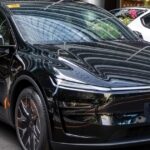
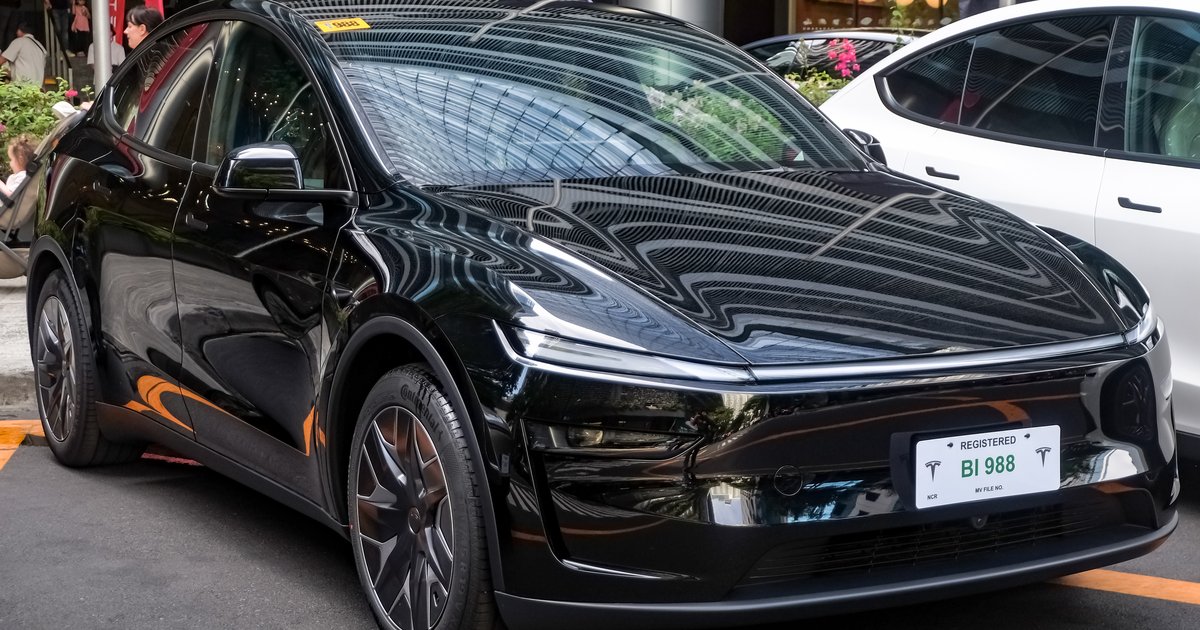
Photo: Ethan Llamas, via Wikimedia Commons, CC BY-SA 4.0. Cropped from the original.
Here’s where I’ve landed. The future isn’t coming. It’s already pulling up to the curb in Pacific Beach. On October 14, 2026, anyone in San Diego can open the Waymo app and hail a ride with nobody in the driver’s seat. That changes my business. I just don’t think it changes it the way most people assume.
The robots are already in San Diego
Waymo opened public rides here on September 1, 2026, in a central service area of roughly 40 square miles, from Pacific Beach down to Barrio Logan and out to Normal Heights. A few weeks later it dropped the waitlist. At launch it wasn’t serving San Diego International Airport because it was still waiting on a city permit, and SAN isn’t on the CPUC’s list of airports that have authorized robotaxi pickups. Amazon’s Zoox started testing here in September with human drivers, and people have spotted Tesla’s gold Cybercabs around town, also with a person in the driver’s seat.
Nationally, Waymo averages about 500,000 paid rides a week with roughly 4,000 vehicles in 15 cities. That’s not a science project anymore.
So the cheap ride from Little Italy to North Park will belong more and more to machines. I’m fine with that. It was never really our business. When a robot can do A to B for less than a black car, a professional human becomes the thing people pay for.
What the safety numbers actually say
Start with the uncomfortable part. People aren’t great drivers. NHTSA estimates 36,640 Americans died in traffic crashes in 2025. That’s actually progress: down 6.7% from 2024, with a rate of 1.10 deaths per 100 million miles, the second lowest on record. It’s still a lot of funerals. NHTSA also estimates drowsy drivers were involved in about 91,000 police-reported crashes in 2017, and says that’s likely an undercount.
The machines are posting strong numbers. Waymo’s own analysis of 271 million rider-only miles through June 2026 found 82% fewer injury-causing crashes and 95% fewer serious-injury-or-worse crashes than human drivers would be expected to have over the same miles in the same cities, regardless of fault. That’s Waymo grading its own homework, but it publishes the data and the methods, and the gap is big.
Tesla’s system is different, because a person is still supervising. Tesla’s FSD (Supervised) safety report for North America shows about 5.69 million miles between major, airbag-level collisions with FSD engaged, against about 699,000 for its estimate of the U.S. average. Critics like Carnegie Mellon’s Phil Koopman point out that the national average includes old cars with no modern safety tech. The fairer line in Tesla’s own table compares FSD to Teslas driven by hand with active safety on, at about 2.08 million miles. FSD still comes out roughly 2.7 times better.
That’s the comparison I care about most, because it measures a person and the software working together.
Why a chauffeur plus AI beats either one alone
FSD today is supervised, period. Tesla says it requires the driver to stay attentive and does not make the car autonomous. NHTSA has an open investigation into reports of FSD running red lights and making improper lane moves. I take that seriously. It’s exactly why the human stays in the seat.
The software doesn’t get tired at hour nine or glance at a phone, and it watches every side of the car at once. A professional chauffeur reads a flagger’s hand signal, notices the car weaving three lengths ahead, knows the curb rules at SAN, and takes over the moment something feels off. Each one covers the other’s blind spots.
Long runs are where I feel it most. A Temecula wine tour or a run to LAX and back makes for a long day. With FSD handling the steady freeway miles while I supervise, I’d finish that day sharper, and a rested chauffeur is a safer chauffeur on the drive home. I’d still be responsible the whole time. My hands, my eyes, my license.
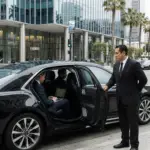
And driving was never the whole job. It’s meeting a client at baggage claim and loading the golf bags. It’s managing a bride’s train so it doesn’t catch in the door. It’s helping an NEMT rider from a wheelchair all the way to the clinic door instead of leaving them at the curb. It’s forgetting everything said on a phone call in the back seat. It’s rebooking the pickup when a flight runs two hours late or the meeting moves to Carlsbad.
For companies, this comes down to duty of care. When you send an executive or a visiting client somewhere, you’re responsible for getting them there safely. A licensed chauffeur working for a CPUC-permitted carrier is a known, accountable person your travel manager can actually call. We’re a CPUC-permitted carrier (TCP-34967-A).
Why I think Tesla is ahead, and where it isn’t
This is my opinion, and I’ll show my work. Among carmakers, I think Tesla is ahead on self-driving.
The first reason is data. Tesla’s counter shows more than 14 billion miles driven on FSD (Supervised) from customer cars, and independent trackers have it adding about a billion a month lately. The second is the approach. Tesla dropped radar and ultrasonic sensors and went camera-only with Tesla Vision, betting that cameras plus huge amounts of real driving data beat expensive hardware. That’s why the system ships in a car I can buy today. FSD v14 is rolling out now, sold in the U.S. as a $99-a-month subscription. Tesla also runs unsupervised robotaxi rides in Austin, Dallas and Houston, and says more than 300 of its steering-wheel-free Cybercabs are now serving Austin.
Now the fair part. Waymo is the leader in driverless rides today, and it isn’t close. In California, Tesla doesn’t hold a driverless permit. A CPUC official said publicly this year that Tesla’s ride service here runs on the same charter-party permit a limo company gets, with a driver in the seat.
The rest of the field is a mixed bag. GM stopped funding Cruise’s robotaxi work in December 2024 after investing more than $10 billion. Ford and VW shut down Argo AI in 2022. Mercedes earned the first California Level 3 approval, but only on approved freeways, in daylight, at 40 mph or less, and it has paused the system for the new S-Class. Zoox started charging for rides in Las Vegas in August 2026. In China, Baidu says its Apollo Go service has passed 23 million cumulative rides across 28 cities.
So Waymo leads on rides with nobody in the seat. Tesla leads on scale and on putting the technology in cars a business like mine can buy and staff.
Why I’m seriously considering the Model YL
The Model YL is real, and it’s sold here. Tesla opened U.S. orders in July 2026 for one trim, the Model Y L Premium AWD, at $61,990, or $63,630 with destination and order fees before tax. It has heated and ventilated second-row captain’s chairs. EPA range is 332 miles on the 19-inch wheels, and Tesla says Supercharging can add up to 172 miles in 15 minutes. First U.S. deliveries started in September, and new orders have been quoted December or later.
I’m seriously considering it for our fleet, and here’s why. Safety is the number one priority in this business, and this car delivers it. It also brings real comfort. Clients walk to their own captain’s chair instead of climbing over each other, and the second row feels like a lounge. The range covers a Temecula tour comfortably, and a Supercharger stop fits naturally into a day trip.
I’d only use it for up to three passengers. With the third row folded down, there’s plenty of room for luggage and everyone gets a comfortable seat. For more than three, a full-size SUV is still the right call.
The honest limits, and our plan
FSD is driver assistance. Legally, our chauffeur is the driver, every mile. If something goes wrong with FSD engaged, the responsibility is ours, which is how it should be. California’s DMV permits autonomous testing and deployment, the CPUC licenses passenger service, and none of that changes how we operate. Construction zones, heavy fog and odd events are where the chauffeur takes over without a second thought. Some rides, like a tight hotel valet or a wedding venue’s dirt road, are just better driven by hand.
So here’s what we’re doing at Royal Knights. I’m seriously considering the Model YL for rides of up to three passengers, with full-size SUVs for bigger groups. If we add FSD (Supervised), it will be a tool with a trained chauffeur in charge on every ride. Machines will take the cheap trips. We’ll keep doing the parts that need a person, and use the best technology we can find to do the driving even more safely.
If you’ve got an airport run, a corporate day, a wedding, or a Temecula trip coming up, give us a call at (619) 374-5466 or book at royalknightslimo.com. I might even be the one driving.